2026-10-10 ·
How Tornadoes and Severe Storms Damage Roofs in Lawrence
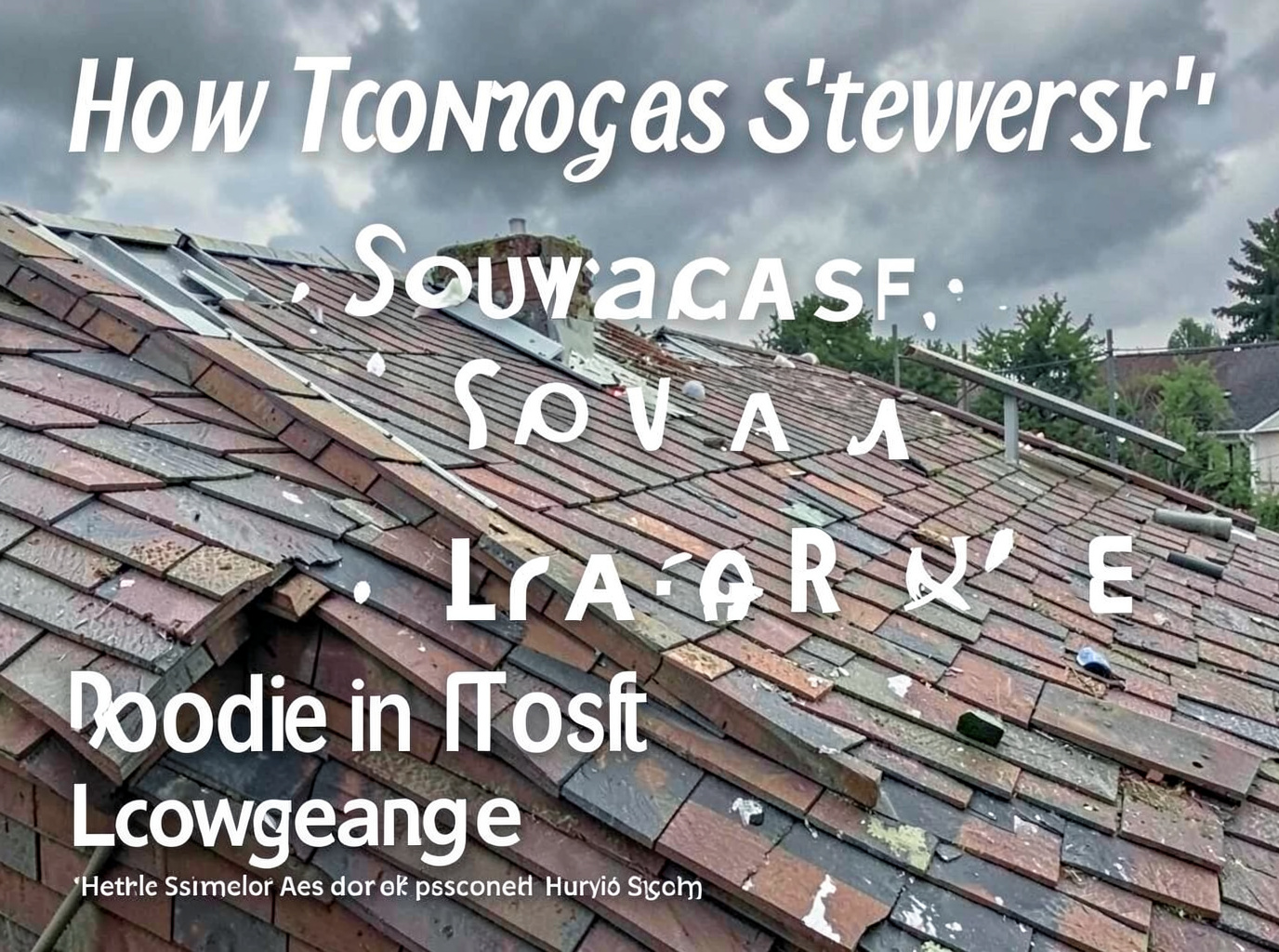
Tornadoes and severe storms damage roofs in Lawrence primarily through wind uplift that peels back shingles and underlayment, followed by punctures from airborne debris and water intrusion at seams and penetrations. These forces hit older housing stock hardest because many homes in Old West Lawrence and around the University of Kansas still carry original decks and fasteners that predate modern wind-rated assemblies.
Wind Uplift Mechanics on Local Roofs
High winds from tornadoes and straight-line storms create negative pressure that lifts shingles along eaves and ridges first. In Douglas County the humid continental climate brings spring storms with gusts that exceed typical design loads on homes built before the 1990s. Once the leading edge lifts, rain is driven under the remaining shingles and saturates the deck within minutes. Homeowners in East Lawrence and Downtown Lawrence see this pattern repeatedly because mature trees supply extra debris that adds weight and puncture risk once the surface is already compromised. After uplift begins, the same wind can tear entire sections loose if the fasteners have corroded from decades of temperature swings between hot summers and cold winters.
Debris Impact and Puncture Patterns
Tornadoes loft tree limbs, roof tiles, and street signs that strike at high velocity, creating punctures that standard shingles cannot seal. These impacts concentrate along south and west exposures in neighborhoods such as Barker and Oread because prevailing storm tracks cross the county from that direction. A single large limb can split a shingle and fracture the deck below, allowing water to reach the attic even if the rest of the surface appears intact. Cold winter temperatures that follow spring storms then freeze trapped moisture, widening the opening before summer heat expands it further. The result is a leak that often shows up months later when residents least expect it.
Effects on Older Housing Stock Near Massachusetts Street
Many homes surrounding Massachusetts Street and Haskell Indian Nations University retain original asphalt shingles installed when wind ratings were lower. These roofs suffer ridge cap displacement and valley failures first because the metal flashing was never secured for tornado-level uplift. In contrast, newer construction farther from campus tends to hold longer under the same event. When storms track across Clinton Lake they pick up additional moisture that increases the weight of driving rain, forcing water through any loosened flashing or vent boots. Owners in these older blocks therefore face repeated leak calls after each severe weather outbreak.
Post-Storm Assessment Steps for Lawrence Residents
After any tornado warning or severe thunderstorm, inspect from the ground first for missing ridge caps and curled shingles before climbing onto the roof. Check gutters along the north side of the house where wind often deposits the heaviest debris load. Document every lifted shingle and puncture with photos that include the surrounding neighborhood context for insurance purposes. If interior water stains appear near chimneys or skylights, schedule a roof leak detection & inspection rather than waiting for the next rain. Properties in Old West Lawrence and East Lawrence benefit from early checks because mature tree cover can hide damage until it spreads.
When wind or debris damage is confirmed, wind damage roof repair crews prioritize securing the deck and installing temporary emergency roof tarping to prevent further saturation. Readers who want a clear checklist before contacting any contractor can review the steps in After the Storm: 8 Steps Before You Call a Roofer. Those wondering about coverage should also read Can You Claim a Roof Leak on Insurance After a Storm? (Adjuster Tips) for local guidance.