2026-10-10 ·
Hail Damage vs. Normal Wear: How to Tell the Difference
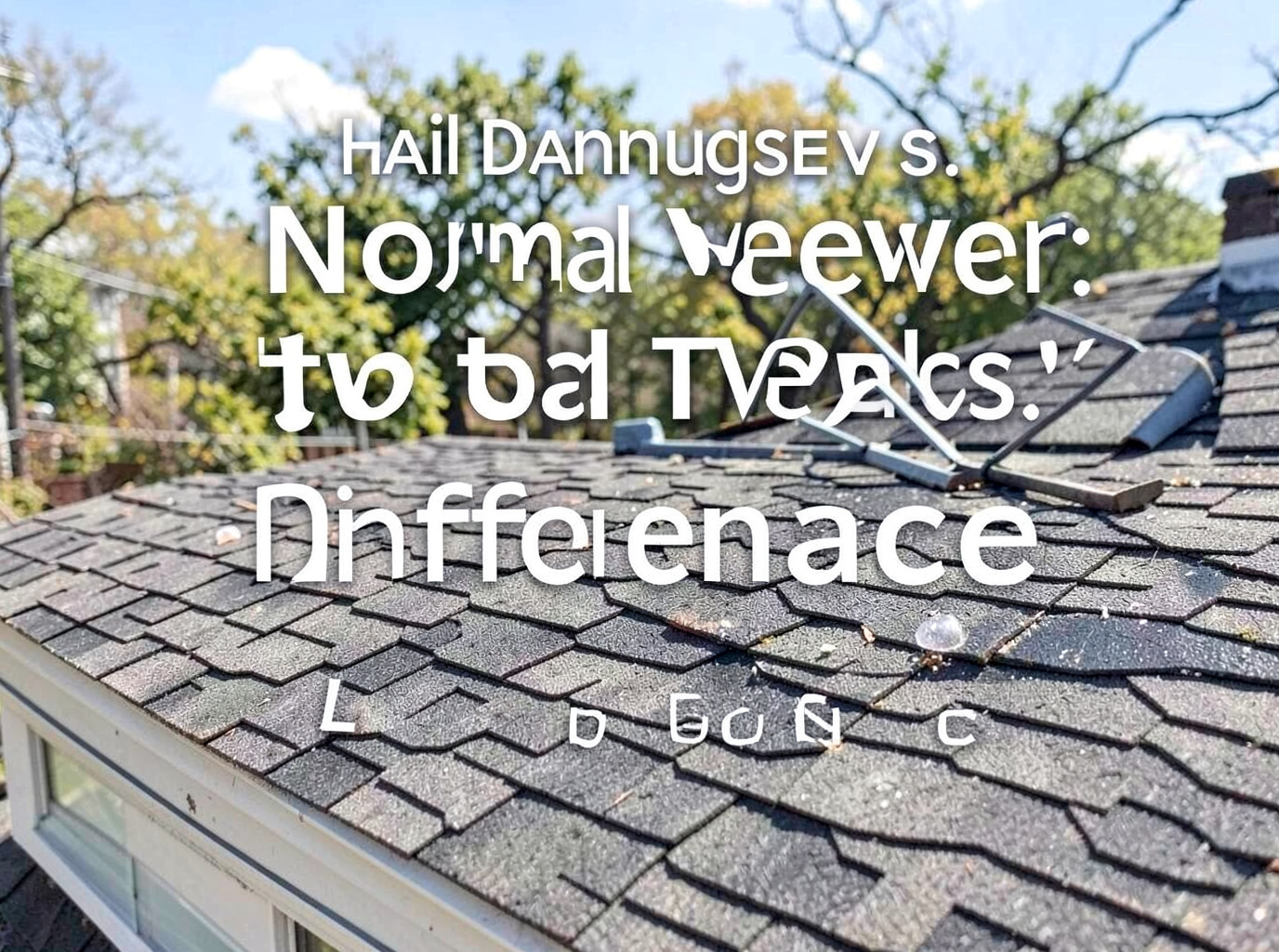
Hail damage on Lawrence roofs appears as scattered dents, cracked shingles, and uneven granule loss in random spots, while normal wear shows consistent thinning and curling across the whole surface from years of exposure.
Spotting Hail Damage Patterns
Hail strikes create concentrated hits that leave bruised or missing granules in irregular clusters rather than uniform fading. In neighborhoods like East Lawrence and around the University of Kansas, inspectors often find these marks on south-facing slopes where storms approach from the southwest. Shingles may show small craters or fractures that do not align with the natural grain of the material. Cold winters in Douglas County can widen these cracks during freeze-thaw cycles, turning minor hail hits into leaks near pipe boots or vents. Checking after a storm by walking the roof or using binoculars from the ground helps isolate whether the marks match the size of recent hail reports. Linking storm patterns to specific damage helps separate one-time events from gradual aging.
Reading Normal Wear Across Local Roofs
Normal wear develops evenly as shingles lose granules from repeated sun exposure during hot summers and contraction during cold winters. Homes in Old West Lawrence and Downtown Lawrence often show this as widespread curling edges and bald patches after the same number of seasons. Wind along Massachusetts Street and near Clinton Lake accelerates edge wear on exposed ridges. The humid continental climate keeps moisture present, so older shingles in Barker or Oread soften gradually rather than fracturing in isolated spots. Inspectors look for consistent color change and missing granules spread across entire slopes instead of random clusters. This pattern matches the steady breakdown seen on roofs serving both residential blocks and buildings tied to Haskell Indian Nations University.
Lawrence Weather and Terrain Effects
Hot summers and cold winters in Douglas County speed granule loss on south and west slopes while freeze-thaw action lifts edges on north sides. Storms moving between Topeka and Kansas City often drop hail that hits roofs near Clinton Lake harder than those sheltered by tree lines in East Lawrence. The flat to gently rolling terrain allows wind to carry debris that scours shingles uniformly, unlike the pockmarks left by hail. Older housing stock in Old West Lawrence experiences faster wear on asphalt shingles because original ventilation was not designed for today's temperature swings. These conditions make it important to separate sudden impact marks from the predictable aging that affects every roof in the county over time.
Next Steps After Checking Your Roof
Document random dents versus even wear with photos taken from multiple angles before contacting a local roofer. When hail patterns appear, review coverage details and schedule a professional inspection that covers neighborhoods such as Oread and Barker. For confirmed hail issues, the team at Lawrence Roof & Leak Pros handles targeted repairs through Hail Damage Roof Repair. Readers comparing storm effects can also review How Tornadoes and Severe Storms Damage Roofs in Lawrence and Can You Claim a Roof Leak on Insurance After a Storm? (Adjuster Tips) for additional context on Douglas County claims.